
Geothermal Keeps Gaining Ground
Climate Success Chat #56 - May 25, 2026

It’s been over a year since I first wrote about geothermal solutions. In climate tech, a lot can change in a year, so I wanted to revisit the topic to give myself a chance to review some of the most significant developments. I’m keen on geothermal energy as a key part of our decarbonized future because of its unique attributes:
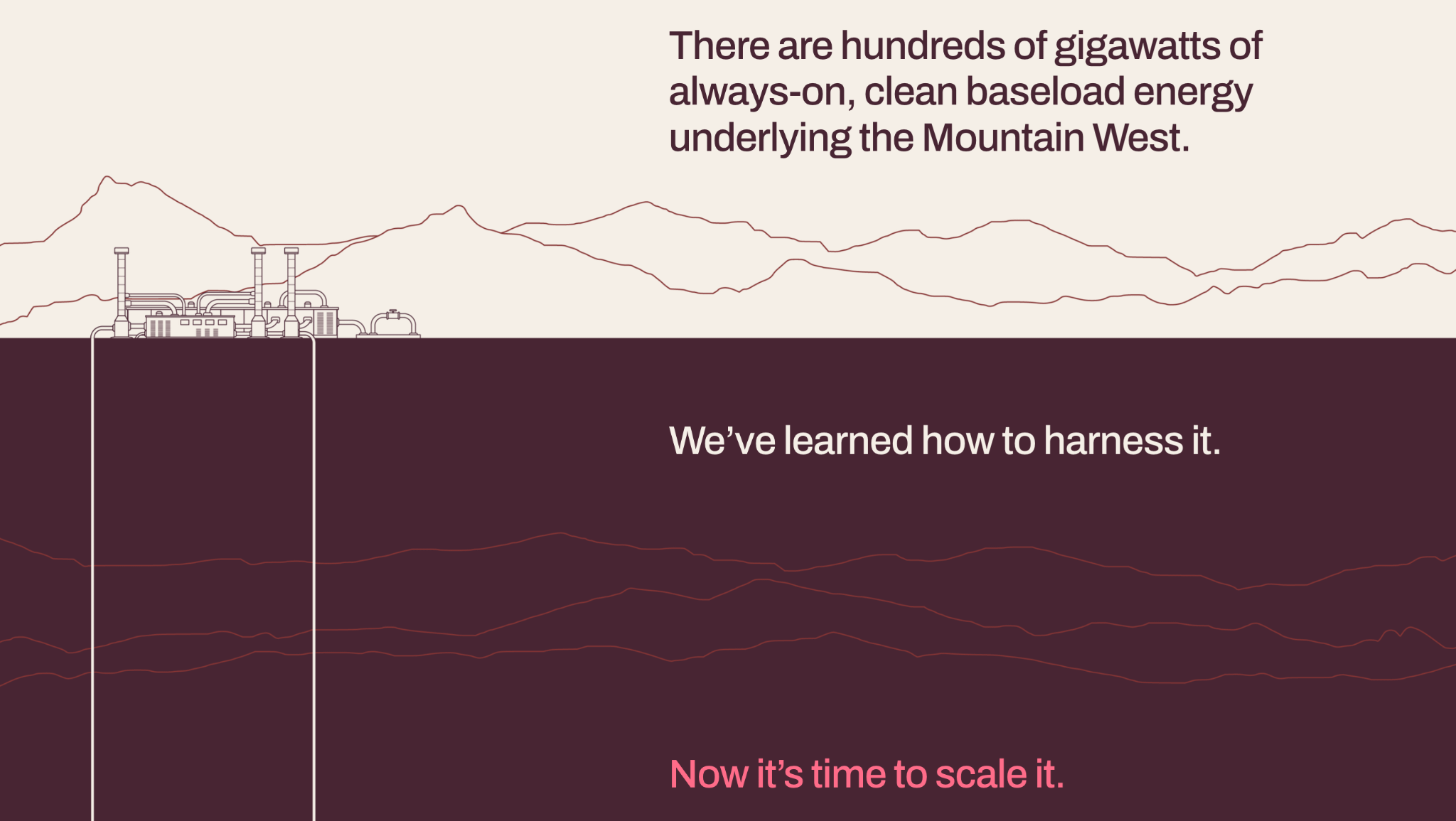
It has the ability to provide firm baseload generation that is “always on” and not subject to variability like solar, wind, or hydro.
Recent innovations use similar technology as what was developed for oil & gas fracking. This means that it can provide jobs for people as they move away from those industries.
It’s creates no operating carbon emissions or waste and has the potential to be deployed much faster than nuclear
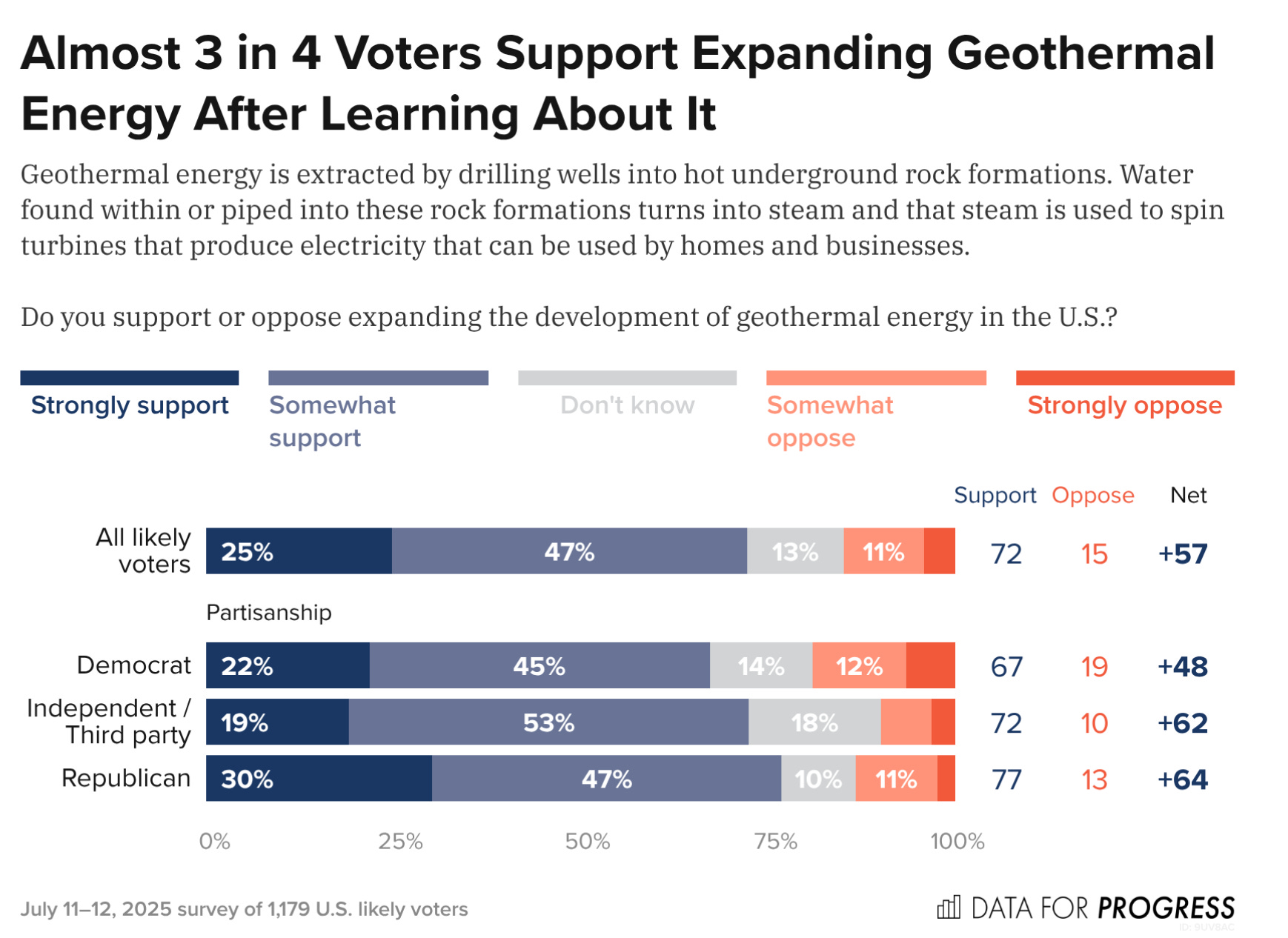
All of these factors have allowed geothermal to earn support from both ends of the political spectrum in the US. In a time when so many topics have become polarized, this is a huge bright spot. A poll taken by Data for Progress in August of 2025 found that 3/4 of voters support geothermal development. As reported by Latitude Media, Republicans expressed even more support for geothermal than Democrats and Independents in the poll.
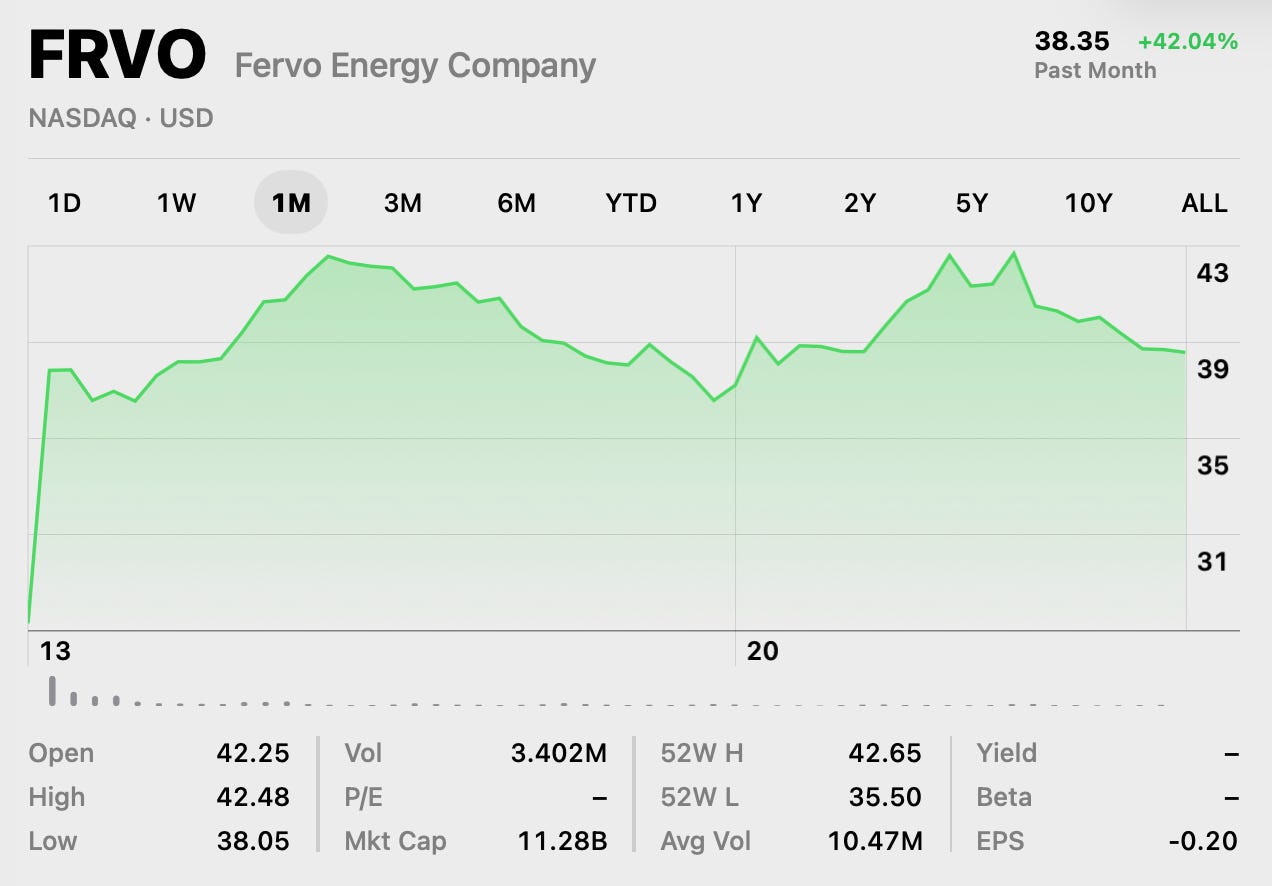
One of the most recent developments that I’ve been anticipating for months is the IPO of Fervo Energy, a Texas-based geothermal company that is on the forefront of developing the next generation of enhanced geothermal. Fervo had a strong showing in its first weeks on the Nasdaq. It was priced at $27/share and jumped more than 30 percent on the first day. Fervo’s is well positioned as data‑center electricity needs soar. They have $7.2B in contracted revenue along with a pipeline of future projects already secured. I’m proud to have purchased shares as early as I could after they hit the market and I’m confident that as a shareholder, I’ll see strong returns that I can feel good about for the positive impact they are having in generating clean energy.
It’s not just the use of technology from oil and gas that positions geothermal as a helpful transition solution away from the dirty generation methods. It’s estimated that there are around 3.7 million abandoned and orphaned oil and gas wells in the US. States are exploring how to turn these wells from expensive, methane-leaking liabilities into assets by repurposing them for geothermal heat and eventually power generation. There’s a push in many states to find paths to use orphan wells for direct-use heating of buildings as well as for underground energy storage. Early projects are testing whether they can avoid high drilling costs and deliver affordable clean heat. There are challenges to solve, but these could be region-specific ways to cut emissions, reduce well plugging costs.
State interest in expanding geothermal is also creating new coalitions. As reported by Heatmap News last week, Colorado, Utah, Arizona, and New Mexico announced that they formed the Mountain West Geothermal Consortium, a bipartisan initiative aimed at accelerating geothermal development across their states. The consortium will coordinate permitting, help secure early-stage financing, and facilitate power purchase agreements between utilities and geothermal developers. Fervo Energy is serving as an advisor to the consortium, reflecting the momentum behind the companies that are investing in geothermal.
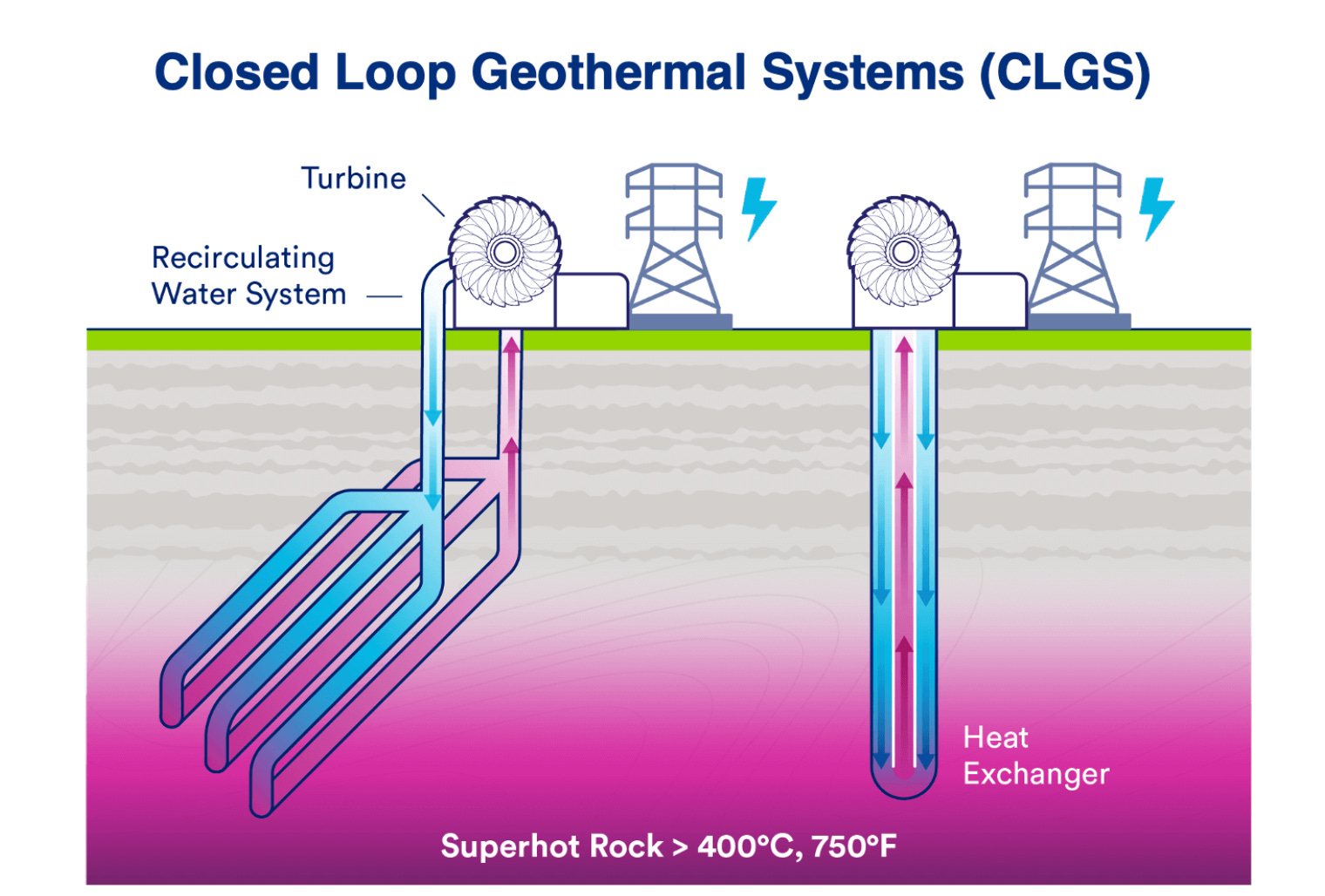
New innovations are proving that geothermal isn’t limited to the geographic regions where it’s previously been deployed, Last December, Eavor Technologies became the first company to deliver electricity to a commercial grid using a fully closed-loop (AGS) geothermal system in Bavaria, Germany. Their system involves two vertical wells connected by 12 horizontal laterals forming “underground radiators.” These are entirely sealed with no fluid contact with geological formations. What’s really amazing is the system circulates via the thermosiphon effect (natural density differences between warm and cold fluid) so no pumps are required after startup.
I’m excited to also see that geothermal is having a direct impact in the clean generation capabilities in my own community. David Levesque and I have continued to build dashboards and advocacy tools for Austin locals at AustinCleanEnergy.net. Last week he interviewed Tim Tarver, the founder of Exceed Geo Energy where Tim explained how his closed-loop, CO₂-based geothermal technology can deliver firm, carbon‑free baseload power for Austin.
They are building a 9.9 MW pilot with Austin Energy in Presidio. It will be the first geothermal PPA in Texas. Unlike water‑based, fracked geothermal approaches, Exceed’s system avoids water use and induced seismicity and is designed to reach commercial operation roughly 12 months after drilling. This is timely because Austin Energy is charging forward to spend $1B to secure gas peaker plants despite opposition in the community. Geothermal is proving it can be a practical alternative to new gas plants and a resilient backbone for data center growth and ERCOT reliability.
I get excited about geothermal because it’s another example of where the clean energy solution will offer a better approach to energy generation. Not just because it’s clean but because of all the other benefits and efficiencies it can offer. As the cost curve of deploying it comes down, we’ll find it becomes the most logical solution in many regions. If you’re interested in following along or learning what is happening in your region, I encourage you to check out Project Innerspace or Geothermal Rising. I’ll look forward to digging in more next year (ok, one geothermal dad-joke to wrap things up) to see what else has developed.